Natural Stone vs. Engineered Stone: Which One Should You Choose?
Choosing between natural stone and engineered stone is one of the most common questions in kitchen and bathroom design. This debate has been around since engineered stone was introduced to the market, and it is still very relevant today.
This decision is not only important for homeowners. Builders, architects, designers, and developers also face this choice as they try to follow trends, meet client expectations, and deliver durable projects.
But trends are not always stable. What is popular today may change tomorrow. That’s why understanding the real advantages and disadvantages of each material is more important than simply following trends.
A Short History of the Debate
When engineered stone (commonly called quartz) first entered the market, manufacturers promoted it heavily. They highlighted benefits such as:
- Stain resistance
- Heat resistance
- Low maintenance
- Consistent patterns
Because of strong marketing and modern appearance, engineered stone quickly gained a large share of the market. Many builders and homeowners believed it was a worry-free alternative to natural stone.
However, with more real-life use over time, people discovered that engineered stone is not completely stain-proof or heat-proof. Like any material, it can still:
- Stain if exposed to certain chemicals
- Crack under stress
- Get damaged from high heat
This led many people to reconsider natural stone as a reliable and long-lasting option.
Natural Stone: Advantages and Disadvantages
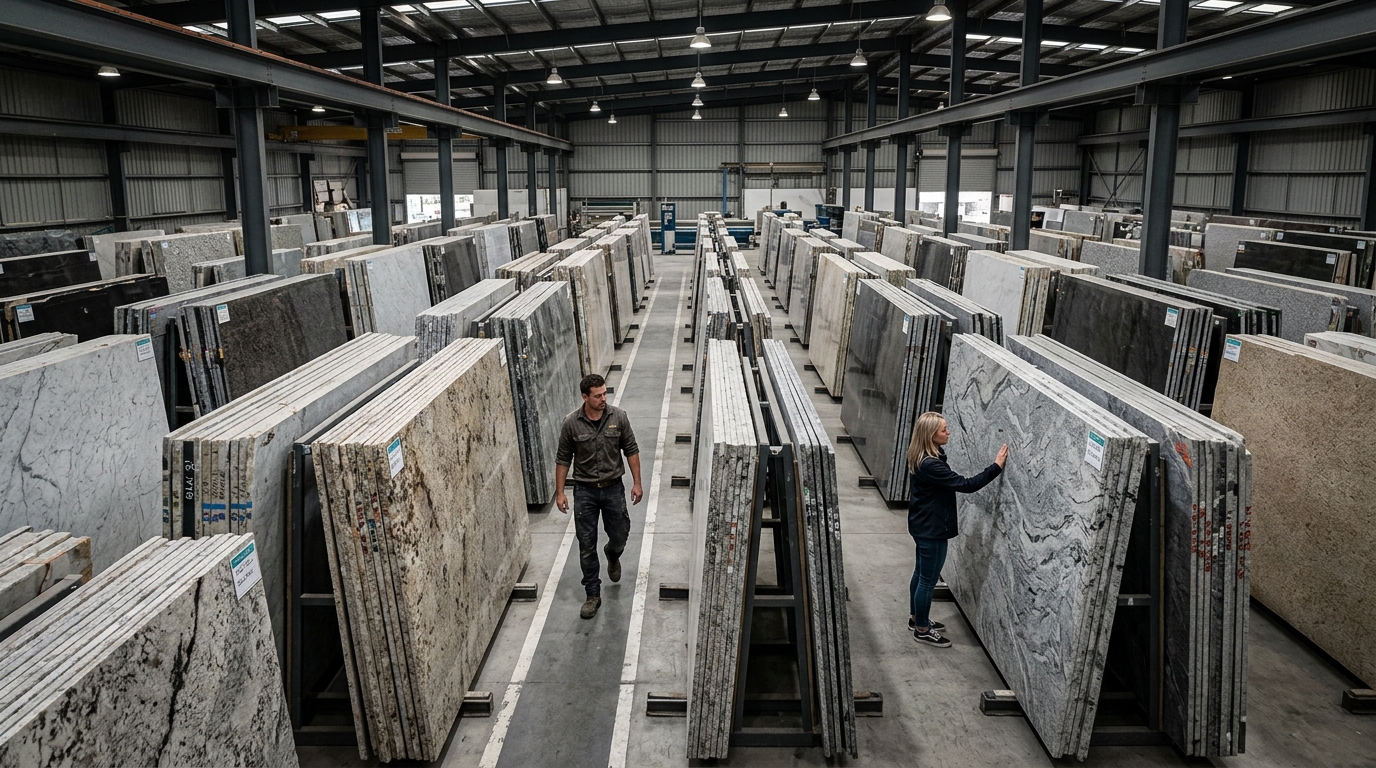
Natural stone includes materials like granite, marble, quartzite, limestone, and travertine. These materials are formed by nature over millions of years.
Advantages of Natural Stone
1. Unique Appearance
Every slab of natural stone is different. No two pieces are exactly the same, which creates a truly unique look.
2. Natural Beauty
Natural stone often has depth, movement, and character that is difficult to replicate with manufactured materials.
3. Heat Resistance
Many natural stones, especially granite and quartzite, handle heat very well compared to engineered stone.
4. Long Lifespan
With proper care, natural stone can last decades and even increase property value.
5. Sustainability Potential
Natural stone is a raw material from the earth and can sometimes be processed with fewer chemicals than engineered alternatives.
Disadvantages of Natural Stone
1. Requires Maintenance
Some natural stones need sealing to protect against stains.
2. Can Be Porous
Certain stones, like marble or limestone, absorb liquids more easily than engineered stone.
3. Natural Variation
While uniqueness is a strength, it can also be challenging for people who want perfectly consistent patterns.
4. Cost Can Vary
Rare or premium natural stones can be more expensive.
Engineered Stone: Advantages and Disadvantages
Engineered stone (often called quartz) is made by combining crushed stone with resins and pigments to create slabs with controlled patterns.
Advantages of Engineered Stone
1. Consistent Appearance
Patterns and colors are uniform, making it easier to match slabs.
2. Low Maintenance
Most engineered stones do not require sealing.
3. Modern Design Options
Engineered stone offers a wide range of colors and patterns, including designs that imitate natural stone.
4. Widely Available
Because it is manufactured, supply is often more consistent.
Disadvantages of Engineered Stone
1. Heat Sensitivity
High heat can damage the resin in engineered stone, causing discoloration or cracks.
2. Not Fully Stain-Proof
Despite marketing claims, some chemicals and dyes can still stain the surface.
3. Limited Natural Character
Even high-quality engineered stone may lack the natural depth found in real stone.
4. Environmental Concerns
In some countries, there are increasing regulations related to the production and processing of engineered stone due to sustainability and health concerns.
Trends Vary by Location and Culture
Material preferences often depend on location, culture, and regulations.
For example:
- In some countries, engineered stone became very popular due to aggressive marketing and modern design trends.
- In places with a strong history of stone craftsmanship—such as countries like Italy—natural stone has always remained a primary choice.
- In certain regions, sustainability or health regulations have limited the use of some engineered materials.
This shows that trends are not universal. What is popular in one place may not be preferred in another.
So, Which One Is the Best Choice?
There is no single answer that fits every project.
The best choice depends on:
- Budget
- Design style
- Project requirements
- Maintenance expectations
- Personal taste
Instead of choosing based on marketing or trends alone, it is better to:
1. Explore all options
Look at both natural and engineered materials.
2. Stay unbiased
Understand the strengths and weaknesses of each material.
3. Match the material to the project
Different spaces may require different solutions.
Final Thoughts
Natural stone and engineered stone both have their place in modern design. Neither one is perfect, and neither one is always better.
The smartest approach is to learn about both, compare their advantages and disadvantages, and choose the one that fits your project needs—not just current trends.